

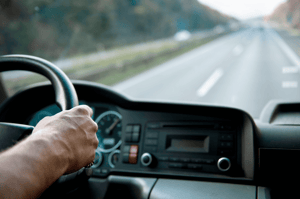
Small habits add up to high costs. A fleet manager might not think twice about a driver’s constant harsh braking until they’re staring at a report and noticing the correlation between the driver’s behavior and the vehicle’s maintenance activity. Without visibility into what's happening behind the wheel, it's difficult to know where money is being lost and what could have been done differently.
That is where we make things easier. In the 3Dtracking platform, your clients can track the behaviors that are impacting their fleet expenses and launch data-driven coaching to make good driving a habit, not just wishful thinking.
How does bad driving affect costs?
-
Higher fuel costs: Speeding, harsh acceleration, and unnecessary idling waste fuel. For fleets covering long distances or making frequent deliveries, even small inefficiencies can add up quickly.
-
Increased maintenance expenses: Harsh braking, aggressive acceleration, and sharp cornering accelerate wear on brakes, tires, and suspension components, leading to more frequent repairs and replacements.
-
Accident-related costs: Speeding and sharp cornering increase the risk of collisions, vehicle damage, and cargo loss, which can all lead to expensive repairs and insurance claims.
-
More vehicle downtime: Premature wear and preventable accidents can take vehicles off the road. If they’re not working, they’re not earning, and the whole business loses money.
How the 3Dtracking platform makes driver behavior monitoring easier
Knowing how drivers behave behind the wheel is one thing. Knowing where improvements are needed, and whether those improvements are actually happening, is another. Our platform helps your clients do both with the following tools:
-
Real-time driver behavior alerts: Monitor speeding, harsh braking, rapid acceleration, excessive idling, and other risky behaviors as they happen. Configurable alerts notify fleet managers of unsafe events via SMS, email, webhooks, or directly within our platform, so they can respond quickly.
-
Individual driver scoring: Evaluate each driver's performance against predefined benchmarks and KPIs. Driver scorecards help your clients identify drivers who need additional coaching, compare performance fairly, and recognize consistently good driving habits.
-
Driver behavior reports: Access detailed reports and trip histories to understand when and where risky driving events occur. Your clients can identify recurring patterns, track changes in driver performance, and use the findings to guide training. Reports can also be exported or scheduled for regular delivery.
-
Performance dashboards: View driver performance and operational KPIs in one place, using interactive graphs and visual indicators to spot trends. This gives fleet managers a clearer picture of overall driving standards and whether corrective actions are working.
-
Route and stop monitoring: Use predefined routes, geofences, and POI Visit tools to monitor whether drivers follow assigned routes and schedules. Your clients can see arrival and departure times, track stop durations, and receive alerts for unauthorized stops or route deviations, helping improve driver accountability.
-
Advanced driver safety monitoring: Through integrations with compatible ADAS and camera systems, your clients can also monitor risks such as driver fatigue, distraction, potential forward collisions, and unintended lane departures. For example, when an integrated camera detects signs of driver fatigue, the driver can receive an audible warning while the event is sent to the 3Dtracking platform. Fleet managers can then see where and when it happened and take appropriate action.
The result: Your clients have the information they need to move beyond just tracking whether a driver is on his phone or idling unnecessarily. They can identify problems and build safer, more cost-efficient fleets.
Use case: Driver monitoring in the logistics industry
Consider a logistics company managing a fleet of delivery trucks across multiple routes. With the 3Dtracking platform, fleet managers can:
-
Monitor harsh driving: Identify frequent harsh braking, rapid acceleration, and sharp cornering to pinpoint drivers who may need additional training.
-
Track route deviations: Receive alerts when vehicles leave approved routes or make unauthorized stops, helping managers investigate delays and keep deliveries on schedule.
-
Identify speeding incidents: Monitor when and where drivers exceed speed limits, allowing managers to address unsafe driving and reinforce compliance with road regulations.
Rather than relying on driver feedback or investigating problems after deliveries are completed, fleet managers have access to real-time information and historical reports to understand what happens on the road.
This helps them hold drivers accountable, address recurring problems, and reduce avoidable costs while keeping deliveries running more reliably.
Could your clients benefit from our solutions? Contact 3Dtracking for a demo of our platform. We’ll walk you through our driver behavior monitoring solutions and how they affect (and lower) a fleet’s costs.
Originally published: October 2019.
Last updated: October 2026.